How Gaps in Event Security Planning Lead to Crowd Control Problems
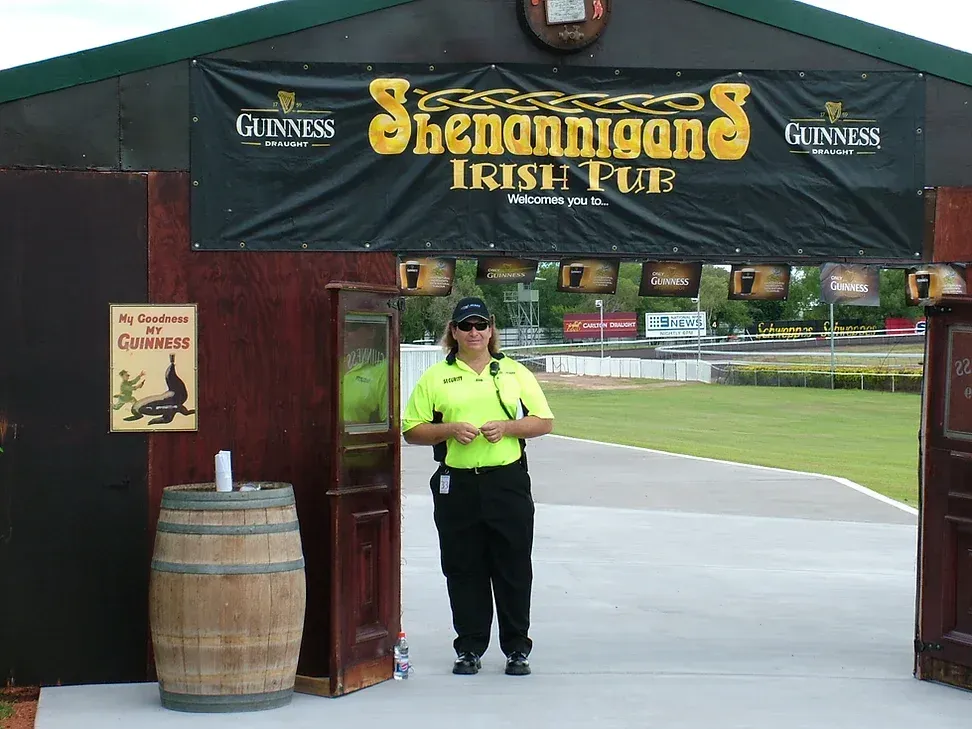
Large gatherings often begin with excitement and anticipation, but without careful preparation, that atmosphere can shift quickly. What starts as a well-organised event can become difficult to manage when movement patterns change, access points become congested or expectations are not aligned with reality. These situations are rarely caused by a single issue. Instead, they tend to stem from small gaps in planning that compound under pressure.
Even well-intentioned plans can fall short when assumptions are made about crowd behaviour or when logistics are not tested against real-world conditions. As attendance grows and environments become more dynamic, even minor oversights can influence how safely and smoothly an event unfolds.
Understanding where these gaps occur is essential for anyone responsible for coordinating events. When overlooked, they can lead to crowd control challenges that impact safety, disrupt operations and place strain on staff and attendees alike. That’s why engaging security services in Darwin and security guards in Darwin is the best move.
Incomplete Risk Assessments Create Blind Spots
A detailed risk assessment forms the foundation of any event security strategy. When this step is rushed or treated as a formality, important variables can be missed. Crowd behaviour is influenced by multiple factors, including layout, timing, weather and the nature of the event itself.
Common oversights in risk assessments include:
- Underestimating peak attendance periods or sudden surges
- Failing to account for environmental factors such as heat or limited shelter
- Overlooking entry & exit bottlenecks
- Not considering how alcohol or entertainment schedules may influence behaviour
Without a clear understanding of these risks, planning becomes reactive rather than proactive, increasing the likelihood of crowd-related issues.
Poor Site Layout Planning Restricts Crowd Movement
The physical layout of an event space plays a major role in how people move and interact. When pathways are unclear or space is poorly allocated, congestion can develop quickly.
Issues often arise when:
- Entry & exit points are too close together or insufficient in number
- Key attractions are clustered in one area, drawing large crowds into confined spaces
- Emergency access routes are not clearly separated from public areas
- Signage is limited or difficult to follow
Thoughtful layout planning supports natural crowd flow, while gaps in this area can lead to frustration, delays and increased pressure on security personnel.
Insufficient Staffing Levels Strain Crowd Control
Even with a well-designed plan, having too few personnel on the ground can limit the ability to manage crowd dynamics. Security presence is not just about visibility, but also about maintaining awareness across different zones.
When staffing levels are not aligned with event requirements, it can result in:
- Delayed responses to developing situations
- Reduced monitoring of high-risk areas
- Difficulty guiding attendees during peak movement times
- Increased reliance on reactive measures
A balanced approach to staffing allows for coverage across entry points, circulation areas and key gathering zones, supporting smoother operations overall.
Lack of Clear Communication Channels Causes Confusion
Communication is central to coordinating both staff and attendees. When communication systems are unclear or inconsistent, it can lead to delays and misunderstandings that affect crowd control.
Gaps in communication planning may include:
- No central point of coordination for security teams
- Limited use of radios or unreliable communication tools
- Inconsistent messaging to attendees about movement or restrictions
- Delays in sharing updates about changes to schedules or access
Clear and structured communication supports coordinated responses and helps prevent small issues from escalating.
Inadequate Entry & Exit Management Leads to Congestion
Entry and exit points are often where crowd pressure is most visible. Without proper planning, these areas can become overwhelmed, particularly during peak arrival and departure times.
Challenges in this area often involve:
- Long queues forming due to slow processing or unclear procedures
- Lack of designated lanes for different ticket types or access levels
- Insufficient monitoring of crowd density at exits
- Limited planning for emergency evacuation scenarios
Managing these points effectively requires both preparation and active oversight throughout the event.
Limited Contingency Planning Leaves Events Exposed
No event unfolds exactly as planned. Unexpected changes, whether related to weather, attendance or technical issues, can alter crowd behaviour quickly. Without contingency measures in place, teams may struggle to adapt.
Common gaps in contingency planning include:
- No alternative routes for crowd movement if areas become congested
- Lack of backup staffing arrangements
- Minimal preparation for delays or schedule changes
- No clear escalation process for emerging risks
Having flexible strategies allows for adjustments without disrupting the overall flow of the event.
Poor Crowd Monitoring Reduces Situational Awareness
Maintaining awareness of how crowds are moving and behaving is essential for early intervention. When monitoring is limited or inconsistent, warning signs can go unnoticed until issues escalate.
This can occur when:
- There is no designated team focused on observing crowd patterns
- Surveillance tools are underutilised or poorly positioned
- Communication between monitoring staff & on-ground teams is delayed
- Data from previous events is not used to inform planning
Active monitoring supports informed decision-making and allows for timely adjustments to crowd management strategies.
The Role of Security Personnel in Managing Crowd Flow
Security personnel play a central role in guiding movement, maintaining order and responding to changes in real time. Their presence supports both prevention and response, helping to manage situations before they develop further.
Their responsibilities often include:
- Directing attendees through entry, exit & high-traffic areas
- Monitoring crowd density & identifying potential risks
- Communicating with event organisers & other staff
- Responding to incidents in a calm & controlled manner
Engaging our event security services in Darwin helps event organisers integrate structured support into their planning. When aligned with the overall strategy, this contributes to smoother crowd movement and improved coordination across the event.
For broader planning considerations, our website provides additional insight into available services and support options.
Get in Touch
Planning an event involves many moving parts, and crowd control is one area where preparation makes a significant difference. Small gaps in planning can have a noticeable impact once attendees arrive, particularly when movement patterns change quickly or conditions shift throughout the day.
At RMI Security, we understand the challenges that come with managing events in Darwin and across the Northern Territory, from changing conditions to varying crowd sizes and expectations. If you are organising an event and want to discuss how security planning can support smoother operations, reach out to our team to explore how we can assist with your next event.